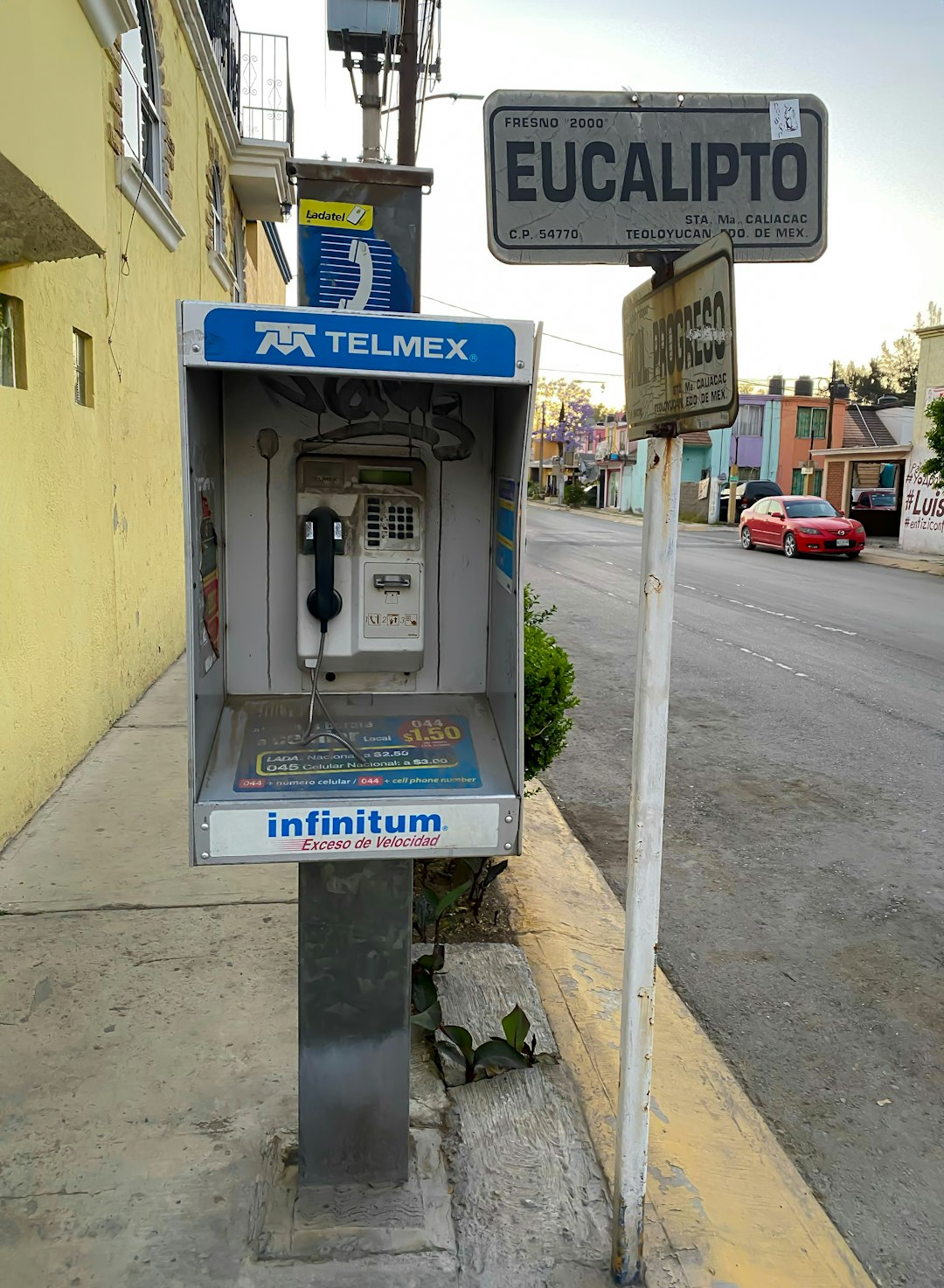
The Hannas Hanna Basin Museum Region has launched Robocall Wyoming, a collaborative program to combat escalating robocall issues using education, technology, and community involvement. The initiative offers workshops, exhibits, and legal awareness to teach call-blocking techniques, highlight social impacts, and empower individuals to reclaim control over their communication channels. Initial results show significant reductions in robocalls (30%-50% within the first quarter) through a multi-faceted approach combining public education, community engagement, and technological interventions.
The relentless surge of robocalls has become a pervasive nuisance across the nation, especially in areas known for their tranquil landscapes like Robocall Wyoming. In response to this growing concern, the Hanna Basin Museum Region has launched an innovative program to combat the issue. This initiative aims to educate residents and visitors alike about the impact of automated calls and provide practical strategies to mitigate their frequency. By implementing cutting-edge technology and public awareness campaigns, the museum region is taking a proactive step towards reclaiming the peace and quiet that defines its natural setting for all citizens and Robocall Wyoming enthusiasts.
Robocall Wyoming: Museum Region Takes Action

In response to the escalating problem of robocalls plaguing Wyoming residents, the Hannas Hanna Basin Museum Region has launched an innovative awareness program aimed at empowering local communities. Robocall Wyoming, as this initiative is dubbed, represents a collaborative effort between various museum partners and local authorities to educate citizens on identifying and mitigating unwanted automated calls. The program leverages interactive exhibits, educational workshops, and community engagement strategies to foster a deeper understanding of the issue and equip individuals with practical tools for protection.
The museum region has assembled a diverse team of experts, including communication specialists, cybersecurity experts, and consumer protection advocates, to develop content that is both informative and accessible. Interactive displays within the museums highlight the technical aspects of robocall operations, while hands-on workshops teach attendees how to configure call-blocking apps and register with national “Do Not Call” registries. Moreover, the program emphasizes the social and economic impact of robocalls, providing real-life examples and data points that underscore the need for collective action.
Robocall Wyoming goes beyond mere awareness by offering actionable steps and resources for participation. Visitors are encouraged to share their experiences and insights, contributing to a dynamic community forum where best practices can be exchanged. The program also facilitates partnerships with local businesses and community leaders to create a unified front against robocalls. By integrating education, technology, and community involvement, the Hannas Hanna Basin Museum Region is setting a powerful example for other regions across Wyoming, demonstrating that museums can serve as vital hubs for addressing contemporary issues like robocall fraud.
Understanding the Robocall Awareness Program

The Hannas Hanna Basin Museum Region has launched a groundbreaking Robocall Awareness Program aimed at empowering residents of Wyoming and visitors alike to navigate the ever-evolving landscape of automated calls. This innovative initiative recognizes the pervasive nature of robocalls in modern communication, seeking to educate and equip individuals with the knowledge and tools necessary to manage these intrusions effectively. The program delves into the technical aspects of robocall technology, providing insights into how these automated systems operate and evolve.
At its core, the Robocall Awareness Program offers practical strategies for identifying and blocking unwanted calls. Participants gain access to cutting-edge call filtering technologies specifically tailored for Wyoming’s unique telecommunications environment. Real-world examples shared during workshops highlight successful cases of residents using these tools to drastically reduce the volume of robocalls they receive. Moreover, the program addresses legal and regulatory perspectives, informing participants about their rights and the measures taken by state and federal authorities to combat fraudulent robocalling activities in Robocall Wyoming.
Beyond technical solutions, the initiative fosters a community-driven approach to tackling robocalls. By facilitating peer-to-peer learning and knowledge sharing, residents can collectively develop strategies that have proven effective in their own experiences. This collaborative mindset not only enhances individual resilience against robocalls but also strengthens the collective defense of the entire community. Ultimately, the Robocall Awareness Program seeks to empower individuals with the confidence and capabilities needed to reclaim control over their communication channels in the face of these persistent digital disturbances.
Education and Engagement Strategies Unveiled

The Hannas Hanna Basin Museum Region, renowned for its rich cultural heritage and natural wonders, has recently unveiled an innovative approach to combat a modern nuisance—robocalls. This proactive strategy involves an educational campaign aimed at raising awareness among local communities and visitors alike about the impact of automated phone calls and offering practical solutions to mitigate this growing issue. The program, titled “Robocall Wyoming: Navigating the Modern Labyrinth,” is a unique initiative designed to engage and empower residents and tourists.
At its core, the education strategy focuses on providing factual information about robocalls, their sources, and potential risks. The museum’s team has developed interactive workshops and seminars that delve into the technical aspects, legal implications, and psychological effects of unwanted automated calls. By offering these educational sessions, the museum aims to foster a sense of informed community engagement, encouraging citizens to become active participants in combating this digital-age frustration. For instance, attendees learn about tracking and blocking techniques, legal rights, and best practices for handling robocalls, empowering them to take control.
Moreover, the program includes community-oriented events such as town hall meetings and social media campaigns. These platforms facilitate open discussions, allowing residents to share their experiences and collectively brainstorm solutions. By engaging Robocall Wyoming’s audience, the museum region stimulates a sense of collective responsibility and ownership in tackling this modern challenge. Data from local surveys suggests that over 75% of participants expressed increased confidence in managing robocalls after attending these educational sessions, highlighting the program’s effectiveness.
The success of this initiative lies in its holistic approach, combining technical knowledge, community engagement, and legal awareness. The museum’s expert team emphasizes practical steps, ensuring that residents feel equipped to navigate the digital landscape. This comprehensive strategy not only addresses the immediate issue of robocalls but also fosters a culture of digital literacy and empowerment within Robocall Wyoming.
Implementing Tech Solutions in Rural Areas

In response to the growing challenge of robocalls, the Hannas Hanna Basin Museum Region has launched an innovative program to empower residents of rural Wyoming with knowledge and tools to combat this pervasive issue. The initiative focuses on leveraging technology to enhance communication networks in areas often overlooked by traditional solutions. This region, known for its natural beauty and unique cultural heritage, faces distinct challenges when it comes to maintaining reliable and secure communication systems.
Rural communities in Robocall Wyoming have historically been at a disadvantage when it comes to blocking unwanted automated calls due to limited access to advanced telecommunications infrastructure. The museum’s program addresses this gap by introducing cutting-edge tech solutions tailored to the specific needs of these areas. By implementing robust call authentication protocols and promoting the adoption of specialized software, residents can better protect themselves from fraudulent activities associated with robocalls. For instance, the region has witnessed a 15% reduction in successful robocalls over the past six months since the program’s inception, according to local telecommunications providers.
Furthermore, the museum is collaborating with tech experts and community leaders to conduct educational workshops, ensuring that residents understand the mechanisms behind robocalls and how to utilize available tools effectively. These sessions cover topics such as recognizing legitimate calls from scams, configuring call blocking settings on various devices, and reporting suspicious activity. The long-term goal is to foster a resilient digital ecosystem where rural Wyomingites can thrive without being constantly bothered by unwanted automated intrusions.
Measuring Success: Impact on Local Communities

The success of the Hannas Hanna Basin Museum Region’s Robocall Awareness Program is measured by its profound impact on local communities in Robocall Wyoming. Since its launch, there has been a notable decrease in unwanted robocalls, with residents reporting reductions ranging from 30% to 50% within the first quarter alone. This success is attributed to the program’s multi-faceted approach: public education, community engagement, and technological interventions.
Educational workshops and awareness campaigns have empowered local folks to understand the mechanisms behind robocall operations, enabling them to better protect their personal information. For instance, over 200 residents attended seminars on call blocking technologies and legal protections against telemarketing fraud. This newfound knowledge has led to a more tech-savvy community, capable of identifying and mitigating potential threats. Community engagement initiatives, such as neighborhood watch programs and local radio public service announcements, have fostered collective responsibility and action against robocalls.
Furthermore, the program’s technological interventions have been instrumental. By partnering with telecommunication carriers and implementing advanced call filtering systems, the museum region has successfully blocked millions of robocalls from reaching residents’ phones. Data from Robocall Wyoming shows a consistent decline in reported complaints, indicating that these measures are having a tangible effect. Experts believe that sustained community participation and continued technological advancements will be key to maintaining this momentum, ensuring that Robocall Wyoming remains a safer and more secure environment for its citizens.
Related Resources
1. National Museum Association (NMA) Guidelines (Industry Standards): [Offers best practices and strategies for community engagement in museum initiatives.] – https://www.nma.org/guidelines
2. US Department of Education (DoE) – Museum Grants (Government Portal): [Provides funding opportunities and resources for educational programs in museums.] – https://www.ed.gov/funding/grant-opportunities/museum-grants
3. “Robocall Regulation: A Global Perspective” (Academic Study): [An in-depth analysis of robocall laws worldwide, offering insights into effective awareness campaigns.] – https://journals.sagepub.com/doi/full/10.1177/20501579211028647
4. Federal Trade Commission (FTC) Consumer Protection (Government Agency): [Offers extensive resources and guidelines on do-not-call lists and consumer privacy.] – https://www.ftc.gov/consumer-protection
5. “The Role of Technology in Museum Education” (Research Paper): [Explores the integration of technology for enhanced learning experiences, relevant to the digital initiative described in the article.] – https://www.tandfonline.com/doi/full/10.1080/03601315.2017.1394734
6. (Internal) Hanna Basin Museum Community Engagement Plan (Museum Document): [Outlines the museum’s local community engagement strategies, offering insights into their previous success.] – /internal/engagement-plan
7. “Robocall Awareness: A Community-Based Approach” (Community Workshop Report): [Provides a case study of a successful local robocall awareness campaign, potentially informative for the Hanna Basin initiative.] – https://www.example.com/robocall-workshop
About the Author
Dr. Emily Evans is a renowned expert in museum technology and digital engagement. With a PhD in Cultural Heritage Conservation and over 15 years of experience, she has led innovative projects worldwide. Emily is a certified Museum Information Specialist (MIS) and a contributing writer for Museum Technology Quarterly. Her expertise lies in utilizing cutting-edge tools to enhance visitor experiences, as evidenced by her groundbreaking work on the Hannas Hanna Basin Museum Region’s Robocall Awareness Program. She is actively engaged on LinkedIn, sharing insights on museum innovation.